Avoid Delays at New Malden Station: Removals Near Rails
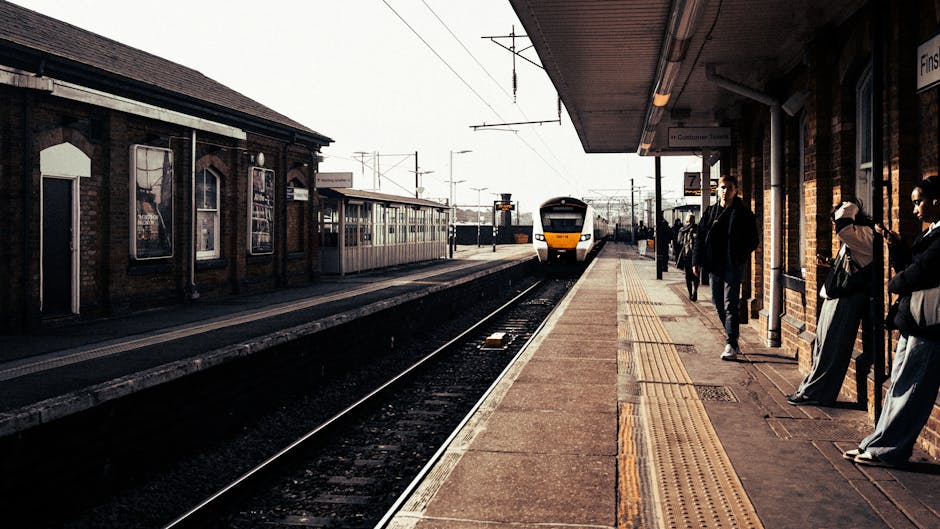
Moving near a busy rail station can feel strangely simple on paper and surprisingly tricky in real life. New Malden Station has the usual mix of commuter traffic, tight timings, narrow approach roads, pedestrians, and the sort of stop-start activity that can throw a removal schedule off by half an hour without warning. If you are planning a move close to the tracks, the goal is not just to get boxes from A to B. It is to avoid delays at New Malden Station: removals near rails need careful timing, sensible vehicle planning, and a move team that understands the local rhythm.
This guide breaks down how to keep things moving. You will find practical steps, common pitfalls, useful comparisons, and a realistic checklist for planning around station-side traffic, loading constraints, and last-minute surprises. Truth be told, a good moving day near the station is mostly about reducing friction before it even starts.
Why Avoiding Delays at New Malden Station Matters
Station-adjacent removals are different from a standard residential move. Near New Malden Station, even a well-packed van can run into bottlenecks: people crossing with luggage, short pauses for drop-off and pick-up activity, restricted stopping points, and the simple fact that rail stations are busiest at the worst possible times for moving. Add a sofa, a mattress, or a piano into the equation and you can see why timing matters so much.
A delay is not just annoying. It can increase labour time, make parking more awkward, and create knock-on stress for everyone involved. If your move is tied to a lease handover, a train connection, a nursery run, or an office timetable, a 20-minute slip can become a real headache. And let's face it, moving day already has enough drama without everyone standing in the rain wondering where the trolley went.
For local moves, the key is to think like a route planner, not just a packer. The move itself may be short in distance, but the last 100 metres near the station can be the hardest part.
If you are preparing a full property move, it is worth pairing your planning with house removals in New Malden and a solid pre-move plan from this packing-plan guide. Those two pieces alone can remove a lot of pressure.
How Avoid Delays at New Malden Station: Removals Near Rails Works
In practice, avoiding delays near the station means planning around three layers at once: local traffic flow, access logistics, and the physical handling of your items. It sounds straightforward, but each layer affects the others. For example, if the van has to park farther away than expected, your lifting route changes. If that route includes a busy pavement or a narrow entrance, your loading pace slows. Small things become big things very quickly.
Here is the general rhythm of a smoother station-side removal:
- Pre-plan the time window based on local traffic and rail peak periods.
- Assess access for van size, turning space, loading distance, and any shared areas.
- Pack by priority so the first items off the van are the ones you need most urgently.
- Use the right vehicle and equipment so loading is efficient and safe.
- Keep communication tight between the customer, driver, and anyone helping with the move.
The best removals teams do not just "turn up and start". They arrive already thinking about traffic pinch points, how long each item will take, and whether anything bulky should be moved first. That mindset matters even more close to railway infrastructure, where sudden crowd movement can alter the whole flow.
If you are comparing support options, the broader removal services in New Malden page is a useful starting point, and the local man and van service can suit smaller or faster-moving jobs.
Key Benefits and Practical Advantages
Keeping your move on schedule near New Malden Station gives you more than convenience. It changes the whole feel of the day. The air is calmer, decisions are easier, and people tend to work better when they are not constantly chasing the clock. That may sound soft, but on moving day it makes a real difference.
- Less waiting time: Fewer idle minutes outside the property or on the pavement means less labour drift.
- Safer handling: A clear plan reduces rushed lifting, awkward angles, and accidental bumps.
- Better parking decisions: The right vehicle and loading strategy can save repeated shuttling.
- Lower stress: When the move is structured, the whole day feels more manageable.
- More predictable costs: Delays can stretch a job; predictability helps keep things under control.
There is also a practical benefit people sometimes overlook: good timing around the station can protect fragile items. The less time things spend on the kerb, the lower the chance of damage from rain, foot traffic, or one of those awkward "just a second" moments that never quite stay at one second.
For customers with furniture or heavier items, linked support from furniture removals in New Malden and specialist piano removals can be especially useful. Different items need different handling, and station-side pressure does not make them any lighter.
Who This Is For and When It Makes Sense
This approach is useful for anyone moving within walking or driving distance of the station, but it is especially relevant if you are dealing with:
- flats or maisonettes near station roads
- student accommodation with tight turnaround times
- office relocations that have to fit around commuter traffic
- same-day or short-notice moves
- large items that take time to manoeuvre through entrances or stairwells
If you are moving out of a compact flat, a dedicated flat removals service can be a better fit than a generic van-only arrangement. Likewise, students often benefit from the more flexible timing offered by student removals in New Malden, especially when they are working around term dates, tenancy deadlines, and not much sleep, if we are being honest.
The same applies to businesses. If your team is shifting desks, archive boxes, or IT kit, office removals in New Malden can help reduce disruption and keep staff movement organised.
And if your timeline is tight, a same-day removals option may be the sensible route, provided the access plan is realistic.
Step-by-Step Guidance
Below is a practical way to plan a move near the station without creating extra delays. It is not fancy. It just works.
1) Start with access, not boxes
Before you pack the last mug, look at the access route. Where will the van stop? How far is the carry distance? Are there stairs, narrow gates, shared entrances, or a one-way approach road that changes the van position? The route matters more than people think.
2) Choose a sensible move window
Avoid peak commuter pressure if you can. Early morning may be better for loading, but not if everyone in the building is also trying to leave at once. Mid-morning often works well for local removals, though every street has its own pattern. A small observation: the difference between a good slot and a bad one can be as simple as missing a 15-minute school or station rush.
3) Pack for quick unloading
Label boxes clearly. Group items by room and by urgency. Put essentials in the easiest-to-reach place. If you want to settle quickly at the other end, this matters a lot. A tidy load is quicker to unload, and quicker unloading means less time near the station with doors open and boxes exposed.
4) Break down bulky furniture where possible
Large items slow everything down if they are not prepared properly. Beds, sofas, and wardrobes should be dismantled in advance when safe to do so. If you need a refresher, the guides on moving a bed and mattress and sofa storage and handling are genuinely useful.
5) Use proper lifting methods
Near a station, you often need to move at a steady pace through tighter spaces. That is not the moment to wing it. Simple lifting technique, good posture, and two-person coordination make a difference. For heavier objects, see these heavy-lifting techniques and the more general note on kinetic lifting.
6) Keep the first-load items obvious
Imagine arriving at the new place and needing the kettle, bedding, charger, and a small tool kit immediately. Those should not be buried under a pile of lamp shades and winter coats. Make that first load count.
7) Build in a buffer
A buffer is not pessimism. It is common sense. A small delay near the station can happen because of traffic, access, or weather. If you have 30 minutes of breathing room, the day stays manageable. If you have none, every minor issue feels bigger than it really is.
Expert Tips for Better Results
Here are the practical details that often separate a smooth move from a stop-start one.
- Use the smallest van that still fits the job well. Bigger is not always better if manoeuvring is awkward near the station.
- Reserve space mentally before you reserve it physically. In other words, think through where items will land at both properties.
- Protect corners and door frames. Station-side properties often have shared walls, tight landings, and more chances to scrape paint.
- Keep a clear path at both ends. A move can stall because one hallway fills with random items. We have all seen it.
- Prepare wet-weather cover. London weather is, well, London weather. A few minutes of drizzle can make cardboard miserable.
One useful habit is to keep a "delay kit" separate from your main belongings: tape, scissors, marker pens, wipes, a phone charger, water, and a snack or two. Not glamorous, but very effective.
If you are choosing a provider, take a quick look at the company's about page, review insurance and safety information, and check the health and safety policy. Those pages tell you a lot about how seriously a mover treats the job.
Common Mistakes to Avoid
Most delays around stations are not caused by one dramatic failure. They come from a cluster of small oversights. A tiny list becomes a long morning. That is the truth of it.
- Arriving without checking access: A van that cannot stop where expected will slow everything down.
- Packing without a load order: If the first items out are not the first items needed, unpacking becomes clumsy.
- Leaving dismantling until move day: Flat-pack furniture and beds take longer than people expect.
- Ignoring parking restrictions or loading limits: This can create unnecessary pressure, even if the move is otherwise simple.
- Underestimating station footfall: A quiet-looking street can become busy quite suddenly.
Another common mistake is overconfidence. It happens. You think, "It's just around the corner." Then the sofa catches on the stair rail and someone is standing in the doorway holding a box of plates. Not ideal. A little planning saves a lot of improvisation.
Tools, Resources and Recommendations
Having the right tools makes a local move faster and less tiring. You do not need a warehouse full of equipment, just the basics used properly.
| Tool or resource | Why it helps near the station | Best use |
|---|---|---|
| Removal blankets | Protects furniture on short walks and tighter turns | Tables, wardrobes, sofas, headboards |
| Ratchet straps | Stops items shifting in the van during frequent braking | Securing stacked loads |
| Furniture sliders or trolleys | Reduces strain over short but awkward carry routes | Fridges, cabinets, heavy boxes |
| Strong tape and labels | Speeds up loading and unloading | Room marking and box sealing |
| Storage option | Helps if keys, handover, or timing do not line up neatly | Gap moves, staged moves, decluttering |
For people who need temporary space during a move, storage in New Malden can be a very practical bridge. It is especially handy when keys, cleaning, or access timings are not matching up perfectly.
To reduce the number of items in the van, a bit of decluttering first can help more than you might expect. The guide on decluttering before relocating is a useful companion read. Fewer boxes, fewer pauses. Simple.
Law, Compliance, Standards, or Best Practice
For removals near a station, you generally want to stay within local parking rules, loading restrictions, and standard road safety expectations. Exact arrangements can vary by street and by property, so it is wise to check access and any local restrictions in advance rather than assume. That goes double if a van may need to stop near a busy pedestrian route or shared access point.
From a best-practice point of view, a mover should:
- use appropriately insured vehicles and equipment
- handle goods safely and with reasonable care
- avoid blocking access routes unnecessarily
- communicate clearly about timing, access, and potential delays
- follow internal safety procedures for lifting, carrying, and loading
For customers, the main job is to give accurate information. If you know there is a narrow entrance, a steep stairwell, or a tricky loading area, say so early. It is not fussiness. It is good practice. A mover can work around known constraints; unknown ones are what cause the awkward silences.
You may also want to review the company's terms and conditions and pricing and quotes page so expectations are clear before moving day. Transparent booking details help reduce misunderstandings when timings shift.
Options, Methods, or Comparison Table
Not every move near New Malden Station needs the same level of support. The right method depends on volume, timing, access, and how much lifting you are happy to do yourself.
| Approach | Best for | Pros | Watch-outs |
|---|---|---|---|
| Man and van | Small to medium moves, quick local jobs | Flexible, efficient, often economical | Less suitable for very large or complex loads |
| Full house removals | Whole-home relocations | More structured, better for multiple rooms | Needs more planning and often more time |
| Same-day removals | Urgent or short-notice moves | Speed and responsiveness | Less flexibility if access is difficult |
| Self-managed van hire | Experienced movers with light loads | Maximum control | You handle driving, lifting, and planning yourself |
For many station-area jobs, a local removal van in New Malden or a tailored man with a van service gives the best mix of speed and practicality. If the move is bigger, the fuller removals service may be the safer choice.
Case Study or Real-World Example
Here is a realistic example. A couple moving from a first-floor flat a short walk from New Malden Station had one major challenge: the access road was quiet in the morning, then suddenly busy when commuters started arriving. They also had a sofa, a mattress, several boxes of kitchenware, and a freezer they did not want to leave until the last minute.
Instead of loading everything in random order, they split the move into three parts. First went the essentials and lighter boxes. Second were the bulky items that needed two people. Third were the awkward items that required a clear route and a bit of patience. They also kept the hallway clear and used a storage stop for one small batch of belongings that did not need to arrive immediately.
The move still had moments of faff. Of course it did. But the van was not waiting around, the stairwell stayed usable, and the handover happened on time. That is really the point. Good planning does not remove every hiccup; it just stops the hiccups from becoming the whole day.
For anyone dealing with similar bulky items, the guides on piano moving and storing a freezer not in use are worth a look. They cover the kind of detail people often leave until the last minute.
Practical Checklist
Use this checklist a day or two before the move. It is simple, but it catches most of the avoidable issues.
- Confirm the move time and any access instructions
- Check whether the van can park close enough for efficient loading
- Label boxes by room and priority
- Disassemble beds or bulky furniture where possible
- Set aside essentials for the first 24 hours
- Protect fragile items with proper wrapping and padding
- Keep stairwells, hallways, and doorways clear
- Prepare for weather, especially rain
- Have payment, contact details, and keys ready
- Tell the mover about anything unusual: tight corners, restricted access, or heavy items
Expert summary: If your move is near New Malden Station, the winning formula is simple: know the access route, move outside the busiest window where possible, pack intelligently, and keep bulky items under control. Everything else becomes easier once those four pieces are in place.
If you want more practical preparation advice, this calm house-move guide and the moving-out cleaning checklist can help you round off the job properly.
Conclusion
A move near the station does not have to be chaotic. Once you understand the local access pressures and plan around them, the day becomes much more manageable. The trick is to reduce the little delays before they pile up: clear the route, prepare the load, choose the right timing, and keep communication steady. That is what turns a stressful moving day into a normal one. Maybe not effortless. But normal is good.
If you are planning removals close to the rails, a local team that understands the area can make a noticeable difference. From parking to packing, from heavy lifting to timing, the details matter more than most people realise.
Get a free quote today and see how much you can save.
And if you are ready to talk things through, the next step is straightforward: speak to a local specialist, ask the awkward questions early, and let the move get easier before moving day even arrives. That is usually where the relief begins.
Frequently Asked Questions
How do I avoid delays when moving near New Malden Station?
Plan your access route early, avoid peak commuter periods where possible, and make sure your van can park or stop close enough to load efficiently. Packing by priority also helps reduce unloading delays.
Is a man and van service enough for a station-side move?
Often, yes, if the move is small to medium and the access is manageable. For larger homes or heavy items, a fuller removals service may be a better fit.
What time of day is best for removals near the station?
Mid-morning often works well, but the best time depends on your street, parking, and local foot traffic. It is sensible to avoid obvious commuter peaks if you can.
Should I dismantle furniture before moving day?
Yes, where it is safe and practical to do so. Beds, wardrobes, and large sofas are usually easier to move when partly dismantled.
What if access is tight or the van cannot park right outside?
That is common near busy areas. A good mover can work with a longer carry distance, but you should mention the issue in advance so the team can plan the right vehicle and equipment.
Do I need storage if my keys and moving times do not line up?
Sometimes, yes. Short-term storage is useful when handover timings, cleaning, or completion dates do not quite match. It can prevent last-minute rushes and reduce stress.
How do I move heavy items safely near a station?
Use proper lifting technique, ask for help with awkward items, and use equipment such as trolleys or straps where appropriate. For especially large or delicate items, specialist handling is often worth it.
Can I book same-day removals for a local move?
Usually, yes, depending on availability and the size of the job. Same-day services can be a good option for urgent moves, but clear access details become even more important.
What should I tell the removals team before the job starts?
Tell them about parking, stairs, access codes, lift availability, bulky furniture, fragile items, and anything unusual about the property. The more accurate the detail, the smoother the move tends to be.
Are there special risks moving close to rail infrastructure?
The main risks are traffic, pedestrian movement, and access constraints rather than the rails themselves. Careful planning helps reduce those issues, especially around narrow roads and shared spaces.
How can I prepare if I am moving out of a flat near the station?
Start decluttering early, label boxes clearly, keep hallways clear, and book a service suited to apartment access. A flat move is usually easier when the load is organised before the van arrives.
Where can I get a quote or ask about local removals?
You can explore pricing and quotes or get in touch through the contact page. If you want to understand the wider local offer first, the services overview is a useful starting point.