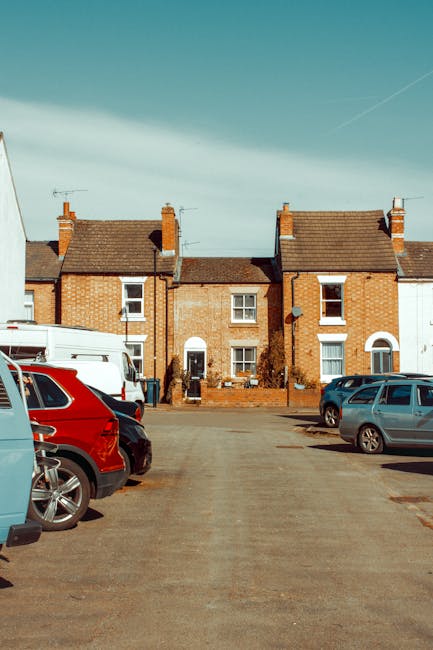
New Malden KT3 Removals Guide for Narrow Driveways and Parking
If you are planning a move in New Malden KT3, the driveway is often the real problem, not the boxes. A removal van might be ready to go, but a tight cul-de-sac, a steep kerb, a parked car opposite your gate, or a driveway that barely fits a small estate can turn a simple move into a stressful puzzle. This New Malden KT3 removals guide for narrow driveways and parking is here to help you avoid that last-minute scramble and make the day feel organised rather than chaotic.
In practice, good removals are rarely about brute force. They are about planning access, choosing the right vehicle, understanding parking pressure, and keeping everyone safe while loading and unloading. That is especially true in KT3, where street layouts, shared drives and busy residential parking can make timing just as important as muscle. Let's walk through what actually works.
Practical summary: measure first, park smart, protect the route, and choose a vehicle size that suits the property rather than the biggest van available. Simple, really - though let's face it, moving day never feels simple when someone has parked across the only clear gap.
For homeowners, renters, landlords and small businesses alike, the right approach can save time, reduce damage and prevent access problems before they become delays. If you are comparing services too, it may help to look at removals, man and van, or house removals depending on the size of the job and how tight the access is.
Table of Contents
- Why narrow-driveway removals matter in New Malden KT3
- How the process works on a tight street
- Key benefits and practical advantages
- Who this guide is for
- Step-by-step guidance for move day
- Expert tips for better results
- Common mistakes to avoid
- Tools, resources and recommendations
- Law, compliance, standards and best practice
- Options and comparison table
- Case study example
- Practical checklist
- Conclusion
- Frequently asked questions
Why New Malden KT3 Removals Guide for Narrow Driveways and Parking Matters
Narrow access changes everything. A van that is perfectly fine on an open road can become awkward the moment a driveway pinches in, the turning circle is tight, or parking is limited to a short roadside gap. In New Malden KT3, that matters because many moves involve residential streets where cars are already competing for space. Add school runs, commuters, delivery vehicles and neighbours who are doing the same dance, and the margin for error gets very small.
Why does that matter for your move? Because access problems tend to ripple. A van that cannot park close enough means more lifting distance. More lifting distance means slower loading, more fatigue and a greater chance of knocking walls, door frames or furniture corners. It also means the team spends longer outside, which can create tension with neighbours or make the timing of the day harder to manage.
There is also a trust angle here. A proper moving plan should not assume "we will find somewhere". Good movers think about where the van can safely stop, whether the property needs temporary space cleared, and whether a smaller vehicle would actually be the smarter option. That is the sort of thinking you want from any removal company or removal services provider you invite into a tight KT3 street.
It is also worth saying that narrow access is not only a house-move issue. Offices, furniture pick-ups and one-off deliveries all run into the same problem. A cramped driveway can be awkward for a sofa, a desk, or a stack of archive boxes. The details change, but the access challenge is the same.
How New Malden KT3 Removals Guide for Narrow Driveways and Parking Works
At a practical level, this kind of move starts before anyone lifts a thing. The main job is to match the vehicle, the route and the timing to the property. That usually means checking the driveway width, gate clearance, street parking options, footpath access, and how far the van would sit from the front door or rear entrance. It sounds methodical because it is. And to be fair, that method saves the day more often than strength does.
A good plan usually follows a simple pattern:
- Assess the property access and note any tight turning points.
- Choose a vehicle that can actually stop nearby without blocking everything.
- Decide whether the crew will load from the front, rear, or roadside.
- Protect surfaces, walls and doorways before moving begins.
- Keep a clear path so boxes and furniture can flow steadily.
- Adjust on the day if a neighbour's car or a delivery truck changes the picture.
That final step matters more than people expect. Streets in and around KT3 can shift from open to congested in minutes. One parked car can change the whole loading plan. A flexible team will not panic; they will adapt, maybe with a smaller van, maybe by hand-carrying items a bit farther, maybe by staging boxes near the entrance first.
If you need more tailored support for these tighter conditions, the more local and adaptable options such as man with van, man with a van or moving van services are often better suited than a larger lorry on a cramped residential road. For bulkier relocations, a larger moving truck may still be possible, but only if access and parking allow it.
Key Benefits and Practical Advantages
The obvious benefit is that your move runs more smoothly. But there are a few more specific gains that people sometimes miss until they are in the middle of the job.
- Less carrying distance: When the van can park close, furniture and boxes move faster and with less strain.
- Lower damage risk: Shorter routes mean fewer opportunities for scraping walls, door jambs or stair rails.
- Less stress on the day: Clear planning removes a lot of the "where will the van go?" anxiety.
- Better time control: A precise loading location helps the team work to schedule instead of guessing.
- Safer for everyone: Drivers, movers and residents benefit from fewer awkward manoeuvres and less road blocking.
There is also a financial angle, though it is not always obvious. A move that is planned well can reduce wasted labour time, extra return trips and unexpected delays. If you are comparing options, take a look at pricing and quotes so you can understand how access, vehicle size and moving time may shape the final cost.
One small real-world advantage: when access is sorted early, you can focus on the actual move. That means less chasing, fewer awkward calls on the morning, and far less of that horrible feeling when everyone is standing around waiting for somebody to move their car. Been there? Most people in London have, to be fair.
Who This Is For and When It Makes Sense
This guide is for anyone moving in or out of a property where access is not generous. That includes terraced homes, maisonettes, shared drives, properties on busier residential roads, and homes where only one vehicle can stop nearby at a time.
It is especially useful if you are:
- moving from a house with a narrow driveway or a steep entry point
- living on a road with limited on-street parking
- trying to move during busy daylight hours
- relocating furniture without a full house move
- arranging a small office or studio relocation
- handling a move with vulnerable items, heavy furniture or awkward stair access
If that sounds like your situation, you are not overthinking it. You are being realistic. In fact, the earlier you think about parking, the better. There is a big difference between "we have a plan" and "we hope it works out". The latter is not a plan. It is optimism with wheels.
For smaller, agile jobs, a man and van removals approach can be a sensible fit. For fuller household moves, house movers or house removalists may be more appropriate if they can scale the job around the parking conditions.
Step-by-Step Guidance
Here is the simplest way to tackle a KT3 move where the driveway is tight and parking is limited.
1. Check the access before the move date
Walk the route from the van stopping point to the front door, side gate or rear entrance. Look for narrow sections, low walls, steps, railings, overhanging plants and anything that could slow the carry. If you can, measure the driveway width and note any pinch points. A tape measure is far more useful than guesswork, honestly.
2. Decide where the van will stop
Pick the safest realistic spot, not the nearest fantasy spot. If the driveway is too narrow, roadside parking might actually be better. If the road is busy, you may need to stage items in waves. A responsible team will consider both convenience and safety, not just speed.
3. Make room before moving day
Move cars out of the drive, clear bins, fold away anything loose, and bring in garden items that could snag during the carry. If the pavement outside your property is cluttered, clear that too. Small things become big problems when they are in the way of a sofa.
4. Protect the route
Use door frame covers, blankets, floor protection or cardboard where needed. Hallways in older homes can be surprisingly unforgiving, especially when a fridge or wardrobe is being turned at an awkward angle. Protection is cheap compared with repairs.
5. Load the largest items first
Heavy furniture usually goes in first so it can be secured properly and not damaged by lighter boxes. That said, tight access sometimes means staged loading works better. In a narrow-driveway move, flexibility matters more than a rigid script.
6. Keep a clear communication line
One person should be in charge of decisions on the day. That avoids crossed wires. If a neighbour's car appears, or the van needs to be repositioned, one calm voice saves a lot of fuss.
7. Final sweep and safe departure
Once the last item is loaded, check for anything left behind, confirm the property is locked, and make sure the van can exit without reversing into a blind corner. This is where tight streets can turn annoying, so take it slow.
Expert Tips for Better Results
After enough removals, a few patterns become obvious. The people who have the easiest move are not always the ones with the biggest van. They are the ones who prepare the site properly and stay realistic about access.
- Use a smaller vehicle if the street is awkward. A van that can stop close is often better than a larger one parked half a road away.
- Avoid peak parking pressure where possible. Mid-morning or early afternoon can be easier than school-run chaos or evening congestion.
- Tell the movers about the driveway width in advance. That sounds obvious, but it is often the missing detail.
- Photograph access if needed. A few photos of the drive, front path and turning space can help the team plan accurately.
- Stage the first load near the exit. Boxes ready by the door reduce back-and-forth.
- Keep pets and children away from the loading path. A moving day is noisy, open, and full of people carrying big objects. Best to keep it tidy.
There is a human side to this too. I remember one move where the whole job was almost derailed by a narrow gate and a neighbour's van parked at exactly the wrong angle. We ended up loading in careful, short runs. Not glamorous, but it worked. The move finished on time. That is the point.
For packing support, especially if you have fragile items or a lot of small household goods, packing and unpacking services can be a worthwhile add-on. It takes pressure off the day and helps keep the loading route cleaner.
Common Mistakes to Avoid
Most access problems are avoidable. The same errors show up again and again, and they tend to be the ones that cause most frustration.
- Assuming the van will fit. A "probably okay" fit is not good enough. Measure properly.
- Ignoring parked cars on the street. A clear road at 8am may be full by 10am.
- Forgetting turning space. A van may enter the road but still struggle to leave safely.
- Leaving clutter in the carry path. Shoes, bikes, plant pots and bin bags all slow things down.
- Choosing vehicle size purely by volume. Access matters just as much as capacity.
- Not warning movers about steps or slopes. Those details change handling and safety.
One slightly funny but very real mistake is expecting a huge van to solve a small-access problem. It usually does the opposite. Bigger can be better for one stage of the move and worse for the rest. There is no prize for using the most heroic vehicle if it cannot get close to the door.
Tools, Resources and Recommendations
You do not need specialist kit for every move, but a few basic tools make a big difference in tight KT3 conditions.
| Tool or item | Why it helps | Best use case |
|---|---|---|
| Measuring tape | Checks driveway width, gate gaps and furniture dimensions | Before booking and on arrival |
| Furniture blankets | Protects walls, banisters and large items from knocks | Narrow hallways and tight entrances |
| Floor protection | Reduces scuffs on hard floors and carpets | Long carry routes or wet days |
| Straps and trolleys | Makes heavy lifting safer and more controlled | Large appliances or stacked boxes |
| Labels and markers | Speeds loading and unloading decisions | Multi-room or multi-stop moves |
For people who want a straightforward local solution, browsing movers or removals near me can be a sensible starting point. If your move involves a one-off item rather than a full house, furniture pick up may suit you better than a full-scale moving service.
If you are moving an office or small workspace from a tight-access building, there are also dedicated options such as office removals and commercial moves. Offices often have different constraints - loading bays, building rules, shared entrances - so it is worth matching the service to the site.
Law, Compliance, Standards and Best Practice
Most readers will not need to become parking-law experts just to move house, and that is fair enough. But there are a few practical compliance points worth keeping in mind.
First, you should not block the road, pavement or neighbouring driveways without thinking it through. In many UK residential areas, there is an expectation that loading and unloading happens safely and with as little disruption as possible. If temporary parking or access arrangements are needed, it is sensible to plan them carefully and follow any local rules that apply to the street or property.
Second, safe manual handling matters. Furniture, boxes and appliances should be moved in a way that reduces the risk of injury. That usually means proper lifting technique, the right number of people for the item, and using equipment where it helps. If a mover is taking safety seriously, you will usually feel it in the calmness of the process.
Third, insurance and safety are worth checking before the day. A reliable provider should be clear about how goods are handled, what precautions are used, and what support is available if something goes wrong. If you want to understand those principles in more detail, see the site's insurance and safety information and the health and safety policy.
Finally, fair trading and clear terms are part of good practice. You should know what is included, how timing is handled, and what happens if access is more difficult than expected. The site's terms and conditions and payment and security pages are useful places to check those basics. If sustainability matters to you, there is also a helpful recycling and sustainability page that shows how unwanted items may be managed responsibly.
Options, Methods, or Comparison Table
Not every move in KT3 needs the same approach. The best choice depends on the size of the property, how tight the access is, and how much parking pressure there is on the street.
| Option | Best for | Strengths | Limitations |
|---|---|---|---|
| Man and van | Small to medium moves, single items, flexible access | Agile, often easier on narrow streets | May need more trips for larger loads |
| House removals | Full household relocations | More structured for larger jobs | Needs better parking and access planning |
| Moving van | Mid-sized moves with tighter roads | Often balances size and manoeuvrability | Still needs enough parking space nearby |
| Moving truck | Large loads where access is wide enough | High capacity | Can be difficult or impossible on narrow drives |
In many KT3 streets, the sweet spot is a flexible van-based service rather than a very large vehicle. That does not mean bigger is wrong. It just means bigger has to be justified by the access, not by habit.
Case Study or Real-World Example
A typical example would be a two-bedroom house move from a KT3 terrace with a short, narrow driveway and parking along both sides of the road. The property had enough room for one small car on the drive, but not a loaded removal van. The street was busy by late morning, so the plan changed before move day: the van would stop as close as safely possible on the road, the driveway would be kept clear, and the larger furniture would be brought out in a sequence that matched the space available.
The team used blankets around the hallway corner, moved the sofa first, then staged the smaller boxes near the front door. Because the parking plan was agreed early, nobody had to make rushed decisions on the day. There was one minor delay when a delivery vehicle paused opposite the property, but the load order was flexible enough to absorb it. No drama. No scraping. Just a steady, sensible move.
That is often the pattern with narrow-driveway removals: the winning move is not force, but sequencing. A calm plan beats a clever rescue, every time.
Practical Checklist
Use this checklist before your move so the day feels a lot more manageable.
- Measure the driveway, gate and any narrow paths.
- Check whether the van can stop safely without blocking neighbours.
- Clear cars, bins, bicycles and loose items from the access route.
- Tell the removal team about slopes, steps, low walls or awkward corners.
- Decide where boxes and furniture will be staged.
- Protect walls, floors and door frames before heavy items are moved.
- Confirm whether you need a smaller van or a more flexible loading plan.
- Keep one person responsible for decisions on the day.
- Prepare for weather, especially wet pavements or poor visibility.
- Do a final sweep before the vehicle leaves.
It sounds simple on paper. In real life, the difference between a smooth move and a stressful one is usually hidden in these little jobs. Do them early, and the rest tends to fall into place.
If you are still comparing services, a few useful starting points are home moves, house movers and removal company. Each one suits a slightly different type of move, so choosing well can save time and hassle.
Conclusion
Narrow driveways and limited parking do not have to ruin a move in New Malden KT3. They just demand better planning. Once you know where the van can stop, how the furniture will travel, and what the street can realistically support, the whole day becomes easier to manage. That is the heart of this guide: practical planning beats last-minute improvising.
For many people, the best outcome is not a perfect move. It is a quiet one. No damage, no panic, no awkward shouting over parked cars. Just a proper, well-paced job that gets everything from A to B without drama. And truth be told, that is what most of us want on moving day.
Get a free quote today and see how much you can save.
For a company overview and helpful background before you book, you can also read the about us page. If you want to raise a query or talk through a tricky access setup, the contact us page is there too.
Frequently Asked Questions
Can a removal van fit on a narrow driveway in New Malden KT3?
Sometimes yes, sometimes no. It depends on the driveway width, turning space, kerb height and whether the van can enter and leave safely. It is better to measure than assume.
What should I do if parking outside my property is limited?
Plan the load point in advance and consider whether a smaller, more manoeuvrable vehicle would work better. If the street is busy, timing the move carefully can make a big difference.
Is a man and van service better for tight access?
Often, yes. A more flexible vehicle can be easier to park on narrow roads and may reduce the carry distance. That said, the right choice depends on the size of the move.
How do I know if my driveway is too small for the van?
Measure the width, check for turning room, and think about how the van would angle in and out. If access looks tight on paper, it is probably tight in real life too.
What happens if a neighbour parks in the only available space?
The loading plan may need to change. A good moving team will adapt by using a nearby spot, changing the order of items, or shifting to a more staged carry.
Do I need to clear my driveway before the movers arrive?
Yes, ideally. Clear cars, bins, toys, garden items and anything else that could block access or slow the crew down.
How can I protect my property during a narrow-access move?
Use covers, blankets and floor protection where needed, especially around door frames, hallway corners and tight turns. Prevention is a lot cheaper than repair.
Are there special rules for parking a van during a move?
You should follow local parking rules and avoid blocking roads, pavements or other driveways. If in doubt, plan conservatively and keep the setup as safe and tidy as possible.
What is the best time of day for a move in a busy KT3 street?
Usually a quieter window, often mid-morning or early afternoon, works better than peak commuter or school-run times. But it still depends on the street.
Can I combine packing help with a narrow-driveway move?
Yes. Packing and unpacking services can reduce clutter, speed up loading and make access easier on the day.
What if my move includes heavy furniture and a tight staircase?
Tell the movers in advance. Heavy furniture plus awkward access means you need a plan for both the lift and the route, not just the vehicle.
How early should I book a removals company for a KT3 move?
As early as you can, especially if access is tight or the property has parking constraints. Early booking gives you more choice and more time to plan properly.
And if you are still weighing up the right fit, looking through removal services or removals van options can help you decide what level of support your move really needs.