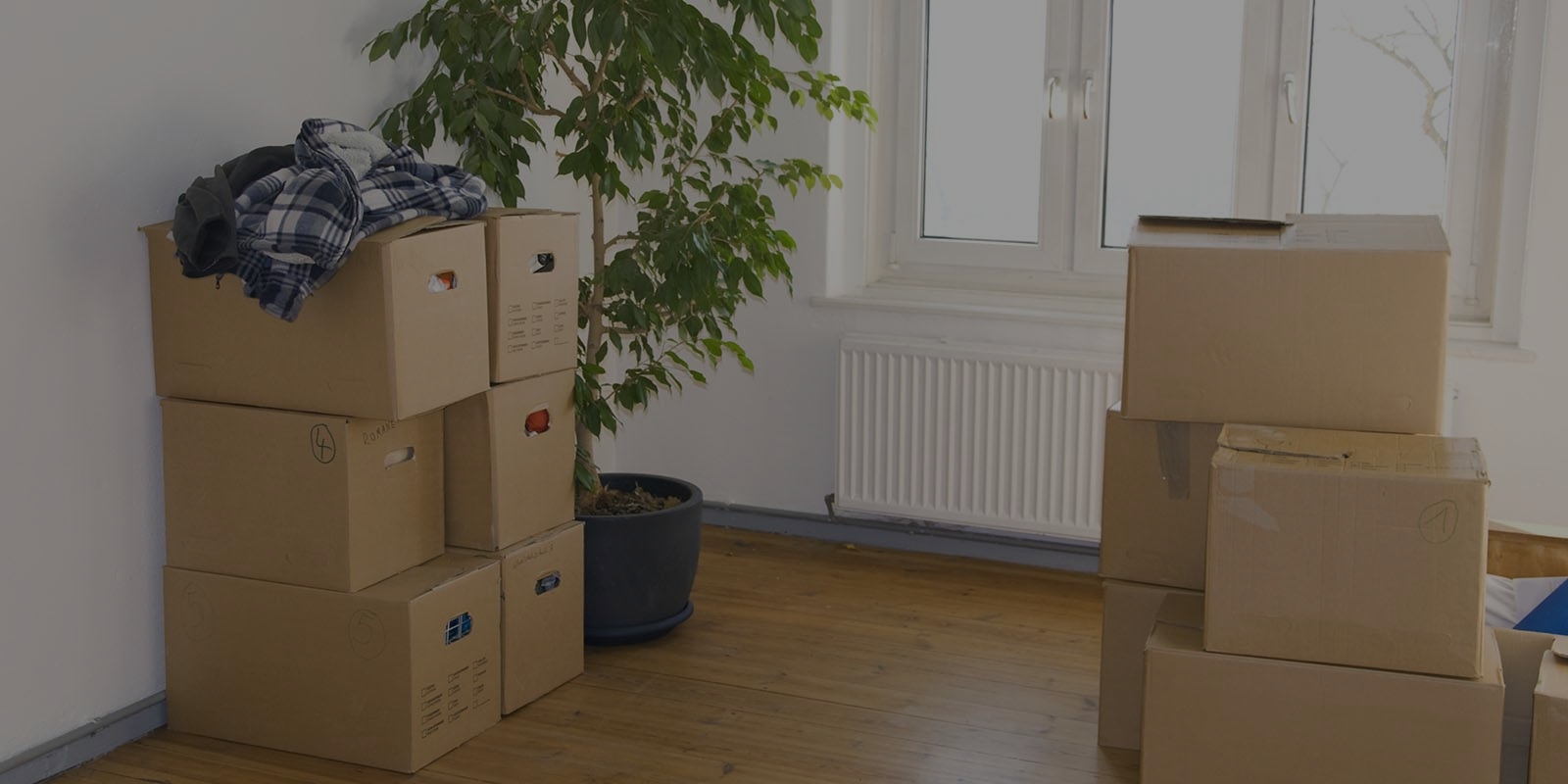




Safe Disposal Laws for Furniture in Kingston & New Malden
Posted on 30/07/2026
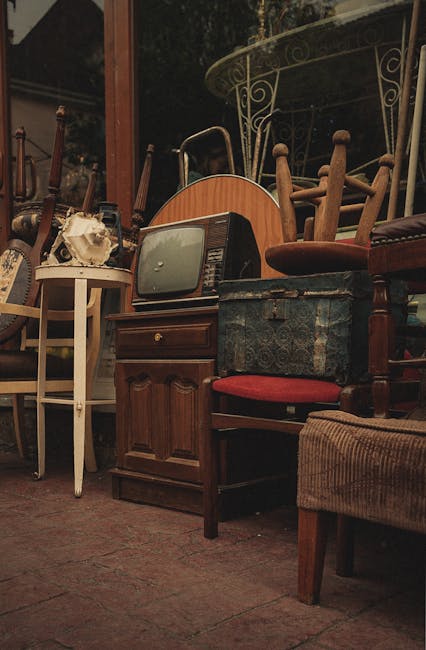
Safe Disposal Laws for Furniture in Kingston & New Malden: What Homeowners and Tenants Need to Know
If you are getting rid of an old sofa, a broken wardrobe, or a mattress that has seen better days, the rules matter more than most people realise. Safe Disposal Laws for Furniture in Kingston & New Malden are there to protect residents, keep streets clear, and reduce fly-tipping and fire risks. They also help you avoid the awkward situation of putting a bulky item out in the wrong way and then wondering why it has been left behind. Been there, seen that.
This guide breaks the topic down in plain English: what the law expects, how disposal usually works locally, what your practical options are, and how to avoid the common mistakes that lead to delays, fines, or unnecessary stress. It is written for anyone clearing a flat, moving house, replacing furniture, or simply trying to do the right thing.
Why Safe Disposal Laws for Furniture in Kingston & New Malden Matters
Furniture disposal is not just a tidy-up task. In Kingston and New Malden, it can involve waste rules, parking and access constraints, and responsibilities around where and how items are placed for collection. If you leave furniture on the pavement without checking the rules, it may be treated as abandoned waste. That can create problems for you, your neighbours, and the local area.
There is also a broader point here: furniture is bulky, awkward, and often partly recyclable. A worn-out sofa might contain timber, foam, fabric, springs, and sometimes mixed materials that need to be separated properly. A broken desk could include sharp fixings or glass panels. So even when the item looks harmless, safe handling still matters.
In real life, most disposal issues appear during a move, a tenancy end, a renovation, or a sudden replacement. One minute the hallway is full of furniture you no longer want; the next minute you are staring at a tight staircase and a parking bay that is occupied by someone else. That is exactly where understanding local disposal expectations saves time and a fair bit of stress.
Expert summary: The safest approach is usually to decide early whether each item will be reused, donated, collected as bulky waste, or removed by a licensed waste carrier. The earlier you choose, the easier the rest of the process becomes.
How Safe Disposal Laws for Furniture in Kingston & New Malden Works
At a practical level, the law expects furniture waste to be handled responsibly and transferred to the right place. That normally means using approved collection routes, arranging collection with the proper service, or taking items to a suitable disposal point. It does not mean leaving a chair near the bins and hoping for the best. Let's face it, that rarely ends well.
For households, the first question is usually ownership. If it is your furniture, you are responsible for ensuring it is not dumped illegally. If you live in a rental property, your tenancy agreement may set out who handles disposal at the end of the tenancy, but the practical duty to dispose of it safely still sits with the person leaving it behind.
Another key point is collection access. In a place like New Malden, where narrow roads, flats, shared entrances, and limited parking can all complicate things, the logistics matter almost as much as the law itself. You may need to plan the timing of the collection, move items to a safe access point, or arrange assistance for heavier objects.
If you are preparing a move, it can help to pair disposal planning with decluttering and packing. For example, the advice in the decluttering guide before relocating and a packing plan for your house move fits neatly with disposal planning. A calmer move usually starts with fewer items in the first place.
Key Benefits and Practical Advantages
Following the right disposal route is not only about compliance. It also gives you a cleaner, smoother move and a better outcome for the furniture itself. Sometimes an item that looks past its best can still be passed on, repaired, or stripped for recyclable material.
- Lower legal risk: You reduce the chance of fly-tipping issues, blocked pavements, or improper dumping.
- Less physical strain: Proper planning means less rushed lifting, fewer awkward carries, and reduced injury risk.
- Better time management: Items leave when they should, not two days after move-out when you are already exhausted.
- Cleaner handover: Tenants and homeowners can leave a property in a more acceptable condition.
- More sustainable outcomes: Reuse and recycling are easier when furniture is sorted early.
There is also a very real mental benefit. A room with a broken bed frame leaning against the wall has a certain oppressive feel to it. Once it is gone, the space feels lighter, and you can actually see what is left to do. That simple change can make a move feel manageable again.
Who This Is For and When It Makes Sense
This topic matters to a wide range of people in Kingston and New Malden, but especially to anyone who is clearing bulky furniture under time pressure. If you are a tenant leaving a flat, you may need to remove a sofa, desk, bed, or wardrobe before checkout. If you are a homeowner, you may be replacing several pieces at once and need a sensible disposal plan.
Students often face the same issue, just on a smaller budget and with less space to work with. That is where the realities of stairwells, shared entrances, and limited van access show up quickly. A top-floor flat with a double mattress and a heavy wardrobe can become a bit of a puzzle. Not impossible. Just awkward.
This also makes sense if you are:
- downsizing and need to remove surplus furniture
- clearing a property after a tenancy ends
- replacing damaged or unsafe items
- emptying a home before storage or sale
- disposing of office furniture after a workplace change
For larger move-outs, it is worth looking at related planning advice such as the moving-out cleaning checklist and how to navigate your house move with ease and calm. Disposal, cleaning, and removal tend to work best as one joined-up process, not three separate panics.
Step-by-Step Guidance
Here is a practical way to handle furniture disposal safely without turning the process into a weekend-long headache.
- Identify every item you want to remove. Walk through each room and make a list. Be specific: sofa, two-seater armchair, pine shelf, office chair, divan base.
- Sort each item by condition. Ask whether it can be reused, repaired, donated, recycled, or needs disposal. A slightly scuffed table is different from a collapsed bed frame.
- Check for hazards. Remove glass, loose screws, exposed springs, batteries, and any sharp or broken components. If something is heavy or unstable, do not drag it blindly.
- Measure access routes. Stairs, communal halls, door widths, lifts, corners, and parking spaces all matter. This is where people often get caught out.
- Choose the right route. Use collection, donation, resale, recycling, or a licensed removal service based on the item and your timescale.
- Schedule the removal early. If your move-out date is fixed, do not leave bulky waste until the final morning. That is a recipe for stress.
- Move items safely. Use proper lifting technique, gloves, and a second person when needed. For larger objects, refer to practical heavy-lifting techniques before you attempt anything overconfident.
- Confirm the handover. Make sure the furniture has actually been collected or delivered to the right place. If you are using a third party, ask for clear confirmation.
A tiny detail, but an important one: take photos before and after. If there is ever a question over what was left behind or when it was removed, a time-stamped record can save a lot of back-and-forth.
Expert Tips for Better Results
After enough moves and clear-outs, a pattern appears. The smoothest jobs are rarely the fastest ones. They are the ones that were planned two or three steps ahead.
- Start with the biggest item first. Sofas and wardrobes dictate the route, the vehicle size, and the manpower needed. Smaller items can fit around them.
- Break down furniture where possible. Flat-pack units, removable legs, and detachable headboards are much easier to transport safely.
- Protect walls and floors. Staircases and tight corners are where scuffs happen. One blanket or pad in the right place can prevent a repair bill.
- Do not mix disposal with a rush move. If you are also relocating, separate "keep", "remove", and "not sure" piles first. It sounds obvious, but it works.
- Keep an eye on timing. Early morning or quieter periods often make loading easier around Kingston and New Malden, especially on busier roads.
Where items are still usable, consider resale or donation before disposal. It is not always possible, of course. A water-damaged wardrobe is a different story. But for sound items, reuse is often the cleanest outcome. You feel better about it too.
If your furniture is part of a larger home move, practical support can make the whole job easier. A well-prepared team, the right vehicle, and sensible packing materials all help. You can also look at how to move a bed and mattress and sofa storage tips if you are deciding what to keep, store, or remove.
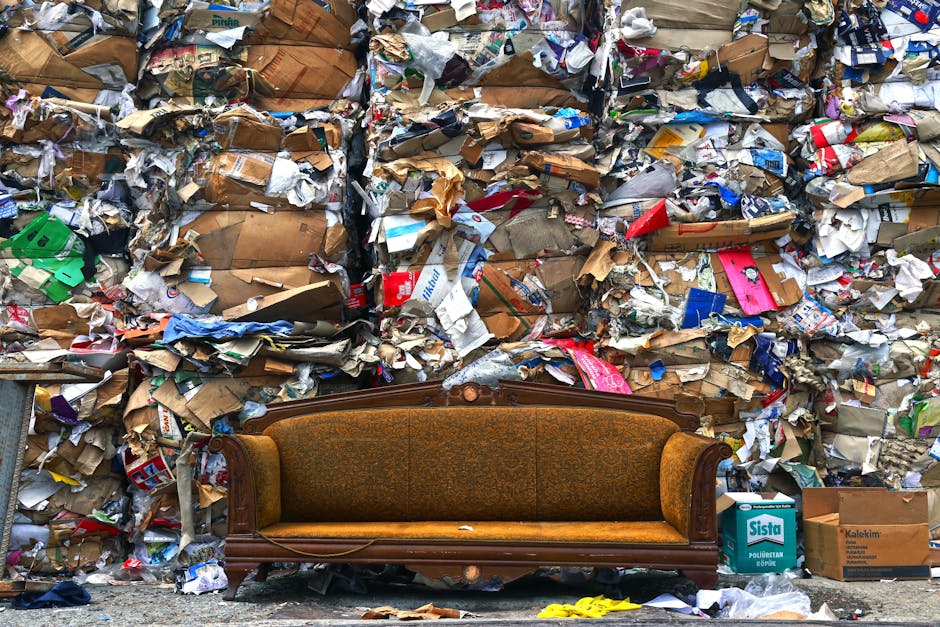
Common Mistakes to Avoid
The mistakes are usually simple, which is why they happen so often. And yes, they can still cause a lot of mess.
- Leaving furniture on the street too early. Even if you plan for collection, putting items out at the wrong time can create access issues or complaints.
- Assuming everything can go in one load. A bulky item may need dismantling, extra lifting help, or a different vehicle altogether.
- Ignoring building access rules. Flats and shared buildings can have specific requirements for moving large items through communal areas.
- Using unsuitable help. A friend with a car may be fine for a small chair. Not for a heavy wardrobe. Let's keep everyone's backs intact.
- Forgetting tenancy or checkout expectations. If the landlord expects the property cleared, incomplete disposal can become a deposit issue.
- Choosing convenience over legality. Cheap, informal disposal can be risky if the person taking the items is not properly authorised.
Another common issue is underestimating the time needed. A single sofa can take longer than expected if it has to be manoeuvred around a narrow landing or protected while going down stairs. That is one of those annoying truths that only becomes obvious when you are halfway down the staircase.
Tools, Resources and Recommendations
You do not need a mountain of equipment, but a few practical tools make safe disposal much easier.
| Tool or resource | What it helps with | Why it matters |
|---|---|---|
| Gloves | Handling rough edges, splinters, and dust | Protects hands during dismantling and lifting |
| Measuring tape | Checking doorways, stair turns, and van access | Prevents awkward surprises on the day |
| Blankets or protective wraps | Keeping furniture and walls safe during movement | Reduces scuffs and small damage |
| Basic screwdriver set | Removing legs, handles, and fittings | Makes bulky items easier to transport |
| Clear labels or tape | Marking what stays, what goes, and what needs review | Keeps the process organised |
One useful recommendation is to build your disposal plan into your removal plan. If you are already arranging a vehicle, you can use the same logistics thinking for unwanted furniture. The pages on how removals pricing works and moving vehicle permits can also help you think about access, timing, and costs without guessing.
If you are trying to remove a large volume of items, it may also be worth reviewing bulky waste collection options in New Malden. That gives you a clearer picture of what route may fit your situation.
Law, Compliance, Standards, or Best Practice
Furniture disposal sits within a wider UK waste framework, so the safest approach is to treat it as a responsibility rather than a quick throwaway task. In plain English, the key ideas are simple: do not dump waste illegally, do not let items become hazards, and use proper collection or disposal routes.
For residents, the main compliance issues usually involve:
- Illegal dumping: leaving waste where it should not be left, including pavements, verges, shared entrances, or communal areas.
- Unlicensed removal: handing items to someone who is not equipped or authorised to dispose of them properly.
- Unsafe handling: creating risks through poor lifting, unstable stacking, or blocking exits and access routes.
- Neighbour impact: obstructing walkways, driveways, or shared facilities in ways that could lead to complaints.
Best practice is straightforward: check what the building or landlord expects, confirm how the furniture will be taken away, and keep a record of the arrangement if it matters to a tenancy or sale. If you are disposing of multiple items, especially in a flat, it is wise to plan around access times and avoid anything that could block communal routes.
Where sustainability is part of your decision-making, consider reuse first, then recycling, then disposal. That order is sensible, more responsible, and often easier on the budget too.
Options, Methods, or Comparison Table
Different disposal methods suit different situations. The best choice depends on condition, time, access, and how much effort you want to put in. Below is a simple comparison to help you decide.
| Method | Best for | Pros | Trade-offs |
|---|---|---|---|
| Reuse or donation | Good-condition furniture | Low waste, often quick, environmentally better | Not suitable for damaged or unhygienic items |
| Bulky waste collection | Single items or a modest clear-out | Convenient, scheduled, less lifting for you | May require booking and preparation |
| Man and van removal | Moves, multiple items, limited access | Flexible, useful for awkward staircases and flats | Needs clear planning and accurate item list |
| Self-transport | Smaller loads and accessible routes | Full control, can be budget-friendly | Heavy lifting, vehicle size, and time pressure |
| Recycling route | Items with recyclable materials | Responsible and often preferred for mixed materials | Some items need dismantling first |
If your furniture is tied to a bigger move, you may find it helpful to review staircase challenges for heavy moves and parking rules for removals. These are the kinds of practical details that make a disposal day go smoothly instead of turning into a slow-motion drama.
Case Study or Real-World Example
Imagine a small flat in New Malden where a tenant is moving out at the end of the month. They have a tired sofa, a broken desk, and a bed frame that will not come apart neatly. At first, they think they can just leave everything for the last morning and sort it out then. A classic move, and not a good one.
Instead, they walk the flat two weeks before checkout, split items into keep, donate, and dispose piles, and measure the hallway and stair bends. The sofa is still usable, so it is arranged for a reuse route. The desk is too damaged, so it is scheduled for removal. The bed frame is dismantled in advance, bagged by fittings, and moved out in sections. The result is a calmer final week, less risk of damage to the stairs, and no last-minute panic about what can or cannot be left behind.
What made the difference? Not luck. Just sequence. A bit of planning, a realistic view of access, and an honest assessment of each item. That is usually the whole game.
Practical Checklist
Use this quick checklist before you dispose of any furniture in Kingston or New Malden.
- Identify every furniture item to be removed.
- Check whether each item can be reused, donated, recycled, or disposed of.
- Measure doorways, stair turns, lifts, and access routes.
- Confirm who is responsible if you are renting.
- Book the removal or collection in good time.
- Break down furniture where safe to do so.
- Remove sharp edges, glass, loose fittings, and hazardous parts.
- Protect walls, floors, and communal areas.
- Keep the area clear of tripping hazards.
- Take photos for your own records.
- Make sure nothing is left in a location that could be treated as fly-tipped waste.
- Confirm completion once the furniture has gone.
Truth be told, this is the sort of list that looks almost too simple. But the simple version is often the one that saves you from a long evening of rework.
Conclusion
Safe Disposal Laws for Furniture in Kingston & New Malden are really about more than legal boxes to tick. They are about being considerate, avoiding unnecessary risk, and handling bulky waste in a way that fits real life in a busy part of London. Once you understand the basics, the process becomes much less intimidating.
The main thing to remember is this: sort early, choose the right disposal route, and do not leave access, safety, or compliance until the last minute. Whether you are clearing a flat, replacing a sofa, or preparing for a full move, a little planning goes a long way. And if the day still feels a bit overwhelming, that is normal. One step at a time is enough.
If you want a smoother furniture removal process, practical help, and a plan that fits your property and schedule, explore the relevant service information and get the support you need before the deadline starts staring back at you.
Get a free quote today and see how much you can save.
Take it calmly, do it properly, and you will thank yourself when the room is finally clear and the space feels like yours again.