



Who Collects Bulky Waste in New Malden? Options & Costs
Posted on 22/05/2026
Who Collects Bulky Waste in New Malden? Options & Costs
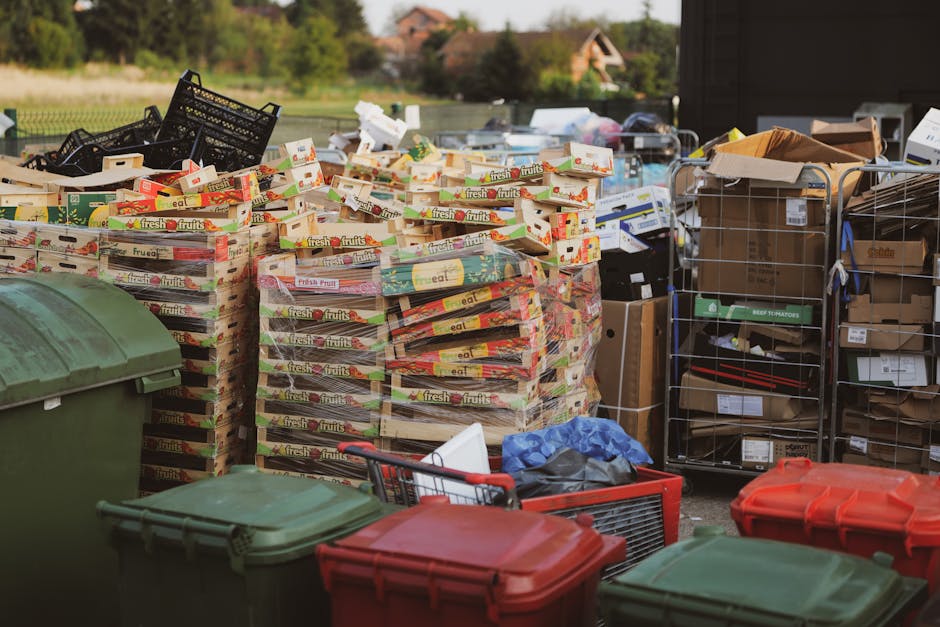
If you've got an old sofa blocking the hallway, a mattress leaning awkwardly in the spare room, or a fridge you've been meaning to deal with since last winter, you're not alone. Bulky waste has a habit of sitting there, taking up space and quietly becoming a bigger job than it first looked. So, who collects bulky waste in New Malden, and what should you expect to pay?
In simple terms, there are a few main routes: local council-style bulky item collection, private removal services, man and van help, and-depending on the item-reuse, donation, or recycling options. Each has different costs, speed, convenience, and rules. This guide breaks it all down in plain English so you can choose the right option without second-guessing yourself.
We'll look at what counts as bulky waste, how collections usually work, where the costs can shift, and what to do if you need something gone quickly. You'll also find a practical checklist, a comparison table, and a few real-world examples to help you avoid the usual headaches. Nice and straightforward.
Why Who Collects Bulky Waste in New Malden? Options & Costs Matters
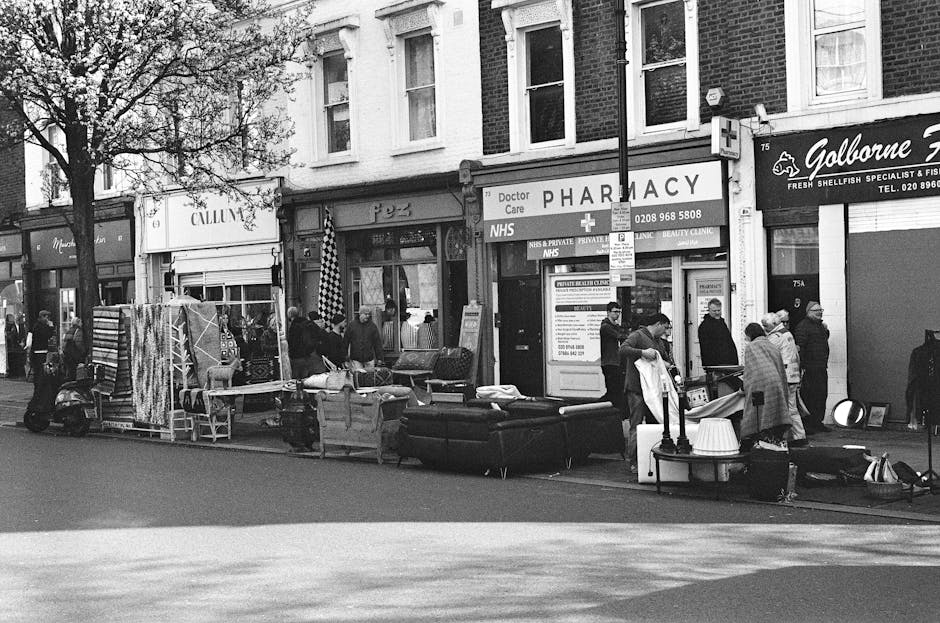
Bulky waste sounds simple until you actually try to move it. A single armchair can be awkward. A broken wardrobe can be bulky, dusty, and oddly heavy in all the wrong places. Add narrow stairs, parking pressure, or a tight deadline, and the whole thing turns into a small project.
That is why it matters to know your options in New Malden before you start lifting. The right choice can save time, reduce stress, and stop you from paying for more than you need. It can also help you avoid damage to floors, walls, and your back-lets face it, that last one tends to be the main concern.
There's also a sustainability angle. Some bulky items can be reused, repaired, or recycled rather than sent straight to disposal. If your furniture is still usable, it may be worth looking at recycling and sustainability guidance as part of your decision. For decluttering before a move, a practical read on decluttering before relocating can help you separate what should be kept, sold, or removed.
And if the bulky items are part of a wider house move, it can be worth combining the job with a broader service such as removals in New Malden or a more targeted option like furniture removals. That can be more efficient than booking multiple separate visits. Not always, but often enough to matter.
How Who Collects Bulky Waste in New Malden? Options & Costs Works
Bulky waste collection usually falls into one of four practical routes. Which one suits you depends on three things: how much you need removed, how quickly you need it gone, and whether the items need special handling.
1. Local authority collection
This is often the first thing people think of. It may suit people with one or two items who are happy to work to a set process and collection schedule. The trade-off is usually timing and item restrictions. Some collections need items left at the kerbside, and some require you to book in advance. There can also be limits on what is accepted.
2. Private bulky waste removal
A private removals or clearance service is typically more flexible. It can suit households, landlords, tenants between moves, and anyone who wants lifting, loading, and disposal handled in one go. If the job is urgent, a service such as same-day removals in New Malden may be the closer match.
3. Man and van collection
For smaller bulky loads, a man and van service can be a practical middle ground. It often works well for a sofa, bed base, several boxes of heavy household bits, or a couple of bulky items from a flat. If access is awkward or the item needs careful handling, a proper removal van and a trained team can be a smarter choice.
4. Reuse, donation, or specialist disposal
Sometimes the best answer is not "who will take this away?" but "can this be reused?" A usable sofa, table, or office chair may have a second life if it is clean and structurally sound. For items like pianos, freezers, or especially delicate furniture, specialist handling matters. A useful example is understanding the complexities of piano moving-because not every bulky item is just "heavy furniture."
Costs are usually influenced by volume, weight, access, labour, and disposal method. In practice, the biggest cost jump tends to come from awkward access, not just item size. A sofa on the ground floor is one thing. A sofa on the third floor of a New Malden flat, with no lift and a tight staircase, is a different story altogether.
Key Benefits and Practical Advantages
There are real advantages to choosing the right bulky waste collection route, beyond simply getting clutter out of the way.
- Time saved: No need to hire a vehicle, recruit helpers, or spend half your Saturday shuffling items around.
- Safer handling: Heavy or awkward items are less likely to cause injury when moved properly.
- Less property damage: Door frames, bannisters, floors, and lifts are easier to protect when the job is planned.
- Faster clear-outs: Handy for move-outs, end-of-tenancy cleaning, or pre-sale preparation.
- Better space use: Clearing bulky items can instantly change how a room feels-more open, less cramped, easier to live in.
- Potential recycling or reuse: A suitable item might avoid disposal entirely, which is better for both cost and conscience.
One small but important benefit people overlook: reducing decision fatigue. If you've got a dining table, an old freezer, two office chairs, and a mattress all demanding attention, the stress often comes from having to make five separate decisions. A good collection plan turns that into one clear action. Relief, basically.
If your bulky waste comes up during a move, reading how to navigate your house move with ease and calm can help you sequence the work sensibly. And if packing or temporary storage is part of the picture, storage in New Malden may be useful while you decide what stays and what goes.
Who This Is For and When It Makes Sense
Bulky waste collection is not just for people doing a full clear-out. It helps in many everyday situations, and truth be told, most of them arrive at the least convenient moment.
- Homeowners replacing old furniture such as sofas, wardrobes, bed frames, or mattress sets.
- Renters moving out who need items removed before final inspection or cleaning.
- Landlords and agents dealing with leftover furniture after tenants leave.
- Students clearing shared flats, especially where items were left behind.
- Small businesses and home offices getting rid of desks, filing cabinets, or outdated office chairs.
- People renovating who need damaged or no-longer-needed bulky items out of the way before work starts.
It also makes sense when an item is technically movable but not sensible to move yourself. A bulky freezer, for instance, might still be functioning, but it can be awkward to store, unstable to shift, and difficult to dispose of cleanly. If that sounds familiar, the article on storing your freezer safely and storing a freezer not in use may help if you are not removing it immediately.
And then there are the obvious "no thanks" items. Piano? Specialist. Heavy sofa up a narrow stairwell? Best not to wing it. In those cases, careful lifting methods matter, and a piece on solo heavy object lifting can show why this is one area where brute force is a bad plan.
Step-by-Step Guidance
If you want a smooth bulky waste collection, the work starts before anyone arrives. A clean process is usually a simple one. Not always easy, but simple.
- List every item. Write down what you want removed. Include size, condition, and whether it separates into parts.
- Check access. Think about stairs, lifts, tight hallways, parking, and whether the item needs to pass through narrow corners.
- Sort by disposal type. Some items can be reused. Others need recycling. Some may require specific handling because of materials or weight.
- Measure the awkward bits. A sofa can look manageable until you realise it will not turn past the banister.
- Request a clear quote. Ask what is included: labour, loading, disposal, mileage, waiting time, and VAT if applicable.
- Prepare the items. Empty drawers, remove loose cushions, unplug appliances, and separate detachable parts where safe to do so.
- Protect the route out. If needed, move rugs, open doors, and clear obstacles from the path.
- Confirm timing. If you are moving house, coordinate with packing, cleaning, and any storage arrangements.
For many people, step 5 is where the hidden value sits. A cheaper quote is not always cheaper if it does not include carrying, loading, or proper disposal. If you need a broader move, it can help to review pricing and quotes and compare that with the service scope on services overview.
If there's one small rule worth remembering: measure first, move second. Saves a lot of swearing. Usually.
Expert Tips for Better Results
A good bulky waste job is rarely about strength alone. It is about preparation, judgement, and not making the task harder than it needs to be.
- Bundle the job when possible. If you have multiple items, collect them in one visit rather than spreading the hassle out across several days.
- Be honest about weight and access. A true picture helps the collector bring the right team and equipment.
- Separate recyclable components. Metal frames, wooden parts, and electrical items may be handled differently.
- Plan around building rules. Flat blocks often have access windows, lift restrictions, or parking issues.
- Use the move as a reset. If an item has been unused for months and you do not really want it, don't let it travel to the next address out of habit.
- Take photos before booking. This can make quoting easier and reduce misunderstandings later.
In our experience, the most stress-free collections are the ones where the owner has already done a quick declutter. A little sorting beforehand makes the loading faster and gives you a better sense of what you are actually paying to remove. A helpful companion piece here is crafting the perfect packing plan for your house move, which can be surprisingly relevant even when the "packing" is really just preparing bulky items for removal.
If the bulky item is part of a furniture refresh, you may also want to think about whether it is worth storing anything temporarily. The guidance on sofa storage tips can be handy if you are undecided between disposal and keeping it a little longer.
![A street scene showing a waste collection vehicle operated by a worker in a blue uniform and orange high-visibility vest, who is loading a blue wheeled rubbish bin into the rear compartment of a white garbage truck. The truck is parked on a cobblestone road beside a building with multiple stories, with several windows and a storefront on the ground level. The rear of the truck is open, revealing mechanical lifting equipment, and dust or debris is visible around the loading area. A black car is parked further along the street, and nearby traffic signs are displayed on lampposts. The scene takes place during daylight hours, with natural lighting illuminating the urban environment. This image illustrates waste collection related to home or commercial property management, which can be connected to house removals or relocation services provided by [COMPANY_NAME], supporting proper disposal during the moving process.](/pub/blogphoto/who-collects-bulky-waste-in-new-malden-options-costs2.jpg)
Common Mistakes to Avoid
Most bulky waste problems come from a few predictable mistakes. Good news: they are easy to avoid once you know them.
- Guessing the size. "It'll probably fit" is not a plan.
- Forgetting access. Stairs, parking, and tight corners often change the job more than the item itself.
- Leaving everything until the last minute. That's when you end up paying extra for urgency or scrambling for help.
- Assuming every item is accepted. Some collections have exclusions for certain electricals, hazardous contents, or specialist objects.
- Not checking condition. A reusable item may need to be clean and complete if you want it accepted for reuse or donation.
- Trying to lift alone when you shouldn't. A quick "I'll just do it myself" can become a sore back and a damaged wall in about five seconds.
A smaller but common issue: people forget to clear the contents of furniture before collection. Drawers full of odds and ends, fridges full of forgotten food, or bed frames with loose fittings can slow everything down. For move-related jobs, a moving-out cleaning checklist can help you avoid that end-of-the-day panic.
Tools, Resources and Recommendations
You do not need specialist gear for every bulky waste job, but a few basics make life easier.
- Measuring tape: For doors, corridors, stair turns, and the item itself.
- Basic gloves: Helps with grip and protects hands from splinters or grime.
- Protective blankets or covers: Useful for door frames and floors during removal.
- Straps or trolleys: Good for heavier or awkward items, when appropriate.
- Bin bags or boxes: For loose fixings, cables, and small parts.
- Phone photos: Great for quotes and for remembering how the item was assembled.
For certain items, specialised knowledge matters more than tools. Pianos are the obvious example, and even large household pieces can benefit from the right technique. If you want a better sense of careful handling, the article on kinetic lifting techniques is worth a look. It gives a useful picture of why lifting smoothly and planning the movement matters more than just "heaving harder."
If your bulky waste job is linked to a bigger change, such as moving out of a flat or family home, these service pages can help you line things up: flat removals in New Malden, house removals, and office removals. A bit of planning now saves a day of chaos later.
Law, Compliance, Standards, or Best Practice
When dealing with bulky waste in the UK, the safest approach is to use a service that handles items responsibly and follows sensible waste-management practice. You do not need to become an expert in disposal rules to make a good decision, but a few basics are worth keeping in mind.
First, never assume an item can be left anywhere. Kerbside placement rules, timing, and collection arrangements can differ depending on who is collecting. If you are using a private service, confirm the collection point and what the team needs from you.
Second, be careful with electricals and special items. Fridges, freezers, and some office equipment may need particular handling because of materials or contents. Pianos, large glass items, and heavy safes are also specialist jobs, not casual lift-and-go items.
Third, choose a provider that explains insurance and safety clearly. Good practice includes clear communication about lifting methods, access, and liability. If you want to understand how a provider frames this, it may help to review insurance and safety alongside health and safety policy and the general terms and conditions.
Fourth, ask where items are going. Reuse and recycling are preferable where possible, but only if the item is suitable. A responsible collector should be able to talk about their process in plain language, without making it sound mysterious.
That practical, honest approach is usually the best standard to follow. Nothing fancy. Just clear communication, safe handling, and sensible disposal choices.
Options, Methods, or Comparison Table
Here's a simple comparison to help you choose the right bulky waste option in New Malden.
| Option | Best For | Speed | Typical Cost Driver | Pros | Watch Outs |
|---|---|---|---|---|---|
| Local collection | One or two items, flexible timing | Usually slower | Booking rules and item count | Simple, familiar | Limits on items, fixed dates |
| Private bulky waste removal | Mixed loads, urgent clear-outs | Often faster | Labour, access, volume | Flexible, hands-off | Varies by provider and scope |
| Man and van | Small to medium loads | Fast to moderate | Time, item size, loading effort | Practical and convenient | May not suit specialist items |
| Specialist removal | Pianos, appliances, awkward heavy items | Moderate | Equipment, training, complexity | Safer for difficult jobs | Costs more than general removal |
Practical rule of thumb: if your bulky item is large but straightforward, a general removal service may be enough. If it is awkward, fragile, or especially heavy, specialist handling is usually worth the extra cost. The cheapest choice is not always the most economical one once delays and damage are factored in.
Case Study or Real-World Example
Picture a typical New Malden flat move on a damp Thursday morning. The tenant has a double mattress, a two-seat sofa, an old coffee table, and a freezer that has been sitting in the kitchen for months. The hallway is narrow, there's a sharp turn at the top of the stairs, and parking outside is limited. Lovely, really.
At first, it looks like a few separate problems. But once the items are listed together, the solution becomes much clearer. The sofa and table can be removed with general furniture handling, the mattress goes out as part of the move-out clear-down, and the freezer needs proper preparation before it is collected. Because the tenant has already emptied and measured everything, the team can plan the route, bring the right kit, and avoid trying to guess at the last minute.
The result is a quicker collection, fewer trips, and no last-minute scramble for extra help. More importantly, the flat is ready for cleaning and final checks without bulky items getting in the way. That is the real win. Not just "it got taken away," but "the rest of the move became manageable."
For that kind of scenario, it often helps to think of bulky waste as part of the overall moving process rather than a separate nuisance. If you want to see how those pieces fit together, moving a bed and mattress is surprisingly relevant, as is navigating narrow New Malden streets when access is tight.
Practical Checklist
Use this checklist before you book any bulky waste collection.
- List each item clearly.
- Measure width, height, and depth.
- Check stair access, lift access, and parking.
- Remove loose contents, shelves, or attachments where safe.
- Take photos for reference and quoting.
- Decide whether any item could be reused, sold, or donated.
- Confirm whether electrical items need special treatment.
- Ask what is included in the price.
- Set a collection time that fits your schedule.
- Prepare the route from the room to the exit.
- Keep pets and children away from the working area.
- Review whether the job should be combined with a larger removal or storage plan.
Quick summary: measure first, sort second, book third. That order saves a lot of stress.
Conclusion
So, who collects bulky waste in New Malden? In practice, it depends on the item, how quickly you need it removed, and how much help you want with lifting, loading, and disposal. Local collection can work for simple jobs. Private removal services and man and van options are often better when the items are heavy, awkward, urgent, or part of a larger move.
Costs are usually shaped by access, labour, volume, and the type of item, not just by how "big" it looks. That is why the best choice is the one that fits the real job in front of you. A little preparation goes a long way, and a thoughtful quote beats a rushed one every time.
If your bulky waste is part of a bigger move or clear-out, it may be worth speaking with a local team that can handle the lifting and the logistics together. You'll usually save time, and possibly a bit of money too.
Get a free quote today and see how much you can save.
And if you are still undecided, that's fine. Take ten minutes, measure the items, and make the call with a clear head. The job usually feels smaller once it's properly named.